

Annibale nel Crotonese: the legends of the Ionian coast
Isola di Capo Rizzuto, Province of Crotone, Calabria
1 of 4
Why locals recommend it
There are no published recommendations yet.
In the vast tapestry of stories, clashes and legends that have shaped the identity of Calabria, few figures evoke the same symbolic power as Hannibal Barca, the great Carthaginian general who challenged Rome in the Second Punic War. More than two thousand years later, along the coasts and in the Calabrian hinterland, numerous oral traditions survive that bear witness to Hannibal's passage through these lands, turning historical events into epic and evocative tales.
Who keeps this listing alive
Contribute
Features
- Category
- History and legend
- Tradition status
- Historical
Description
In the vast tapestry of stories, clashes and legends that have shaped the identity of Calabria, few figures evoke the same symbolic power as Hannibal Barca, the great Carthaginian general who challenged Rome in the Second Punic War. More than two thousand years later, along the coasts and in the Calabrian hinterland, numerous oral traditions survive that bear witness to Hannibal's passage through these lands, turning historical events into epic and evocative tales.
According to the popular tales handed down in the Crotone area and the Calabrian marchesato, Hannibal was not merely a military strategist, but a figure who entered local myth. After the famous crossing of the Alps with his elephants and the victorious battles in northern Italy, the Carthaginian general is said to have led part of his troops south, choosing the Calabrian coasts to reorganize his forces and seek alliances among the cities of Magna Grecia.
The legend tells that Hannibal stayed for a long time in the area between Crotone, Scylletium and Petelia (today Strongoli), where he found not only a welcome from some pro-Carthaginian Greek communities, but also natural protection thanks to the geography of the land: easily defensible heights, dense woods, springs of water and controllable access to the sea.
Even today, in several rural districts of the Ionian strip, local elders proudly point to caves and natural hollows as refuges of Hannibal and his men. Some claim that, during his stops, the general hid chests of gold coins in deep pits, protected by mysterious signs or curses uttered in ancient languages. These tales are passed down from generation to generation, and in the past they have even driven improvised treasure hunters to dig in remote places in an attempt to find "Hannibal's treasures".
A legend that is particularly alive in Strongoli tells that Hannibal, withdrawing inland after a skirmish with Roman patrols, carved Punic symbols on some rocks still visible in the countryside, to leave coded messages for his officers. Although the historical truth is uncertain, the narrative power of the myth is so deeply rooted that it has entered popular habits, place names, songs and dialect proverbs.
Where to find it
Isola di Capo Rizzuto, Province of Crotone, Calabria
It happens in the Isola di Capo Rizzuto area: the exact spot comes from operators' proposals and locals' advice.
Related destinations
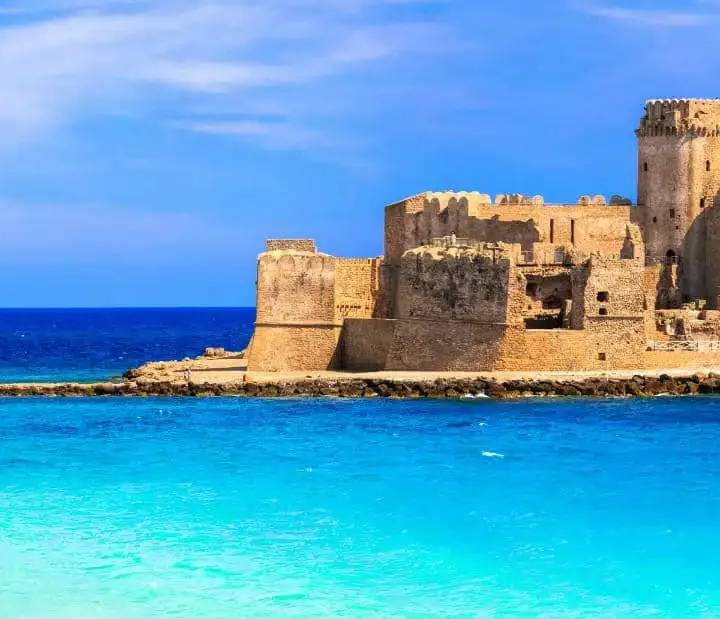
Municipality
Isola di Capo Rizzuto
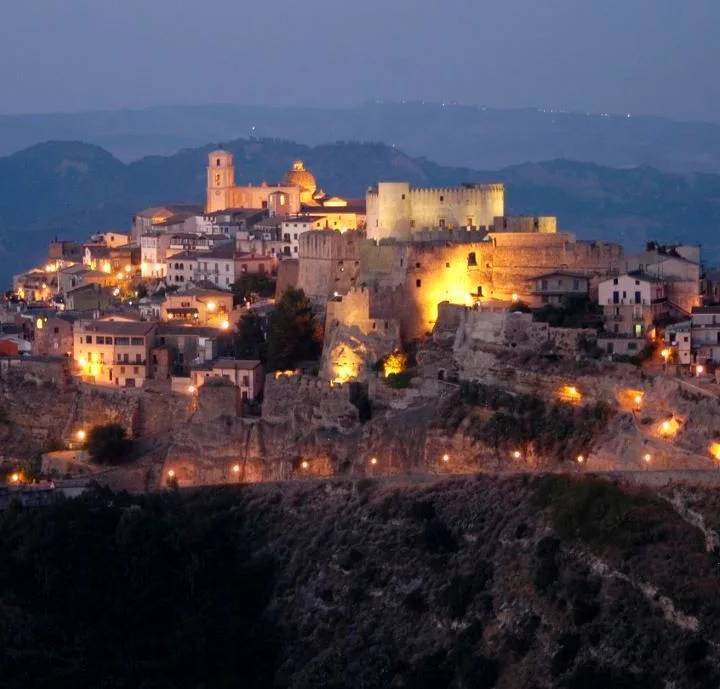
Province
Crotone
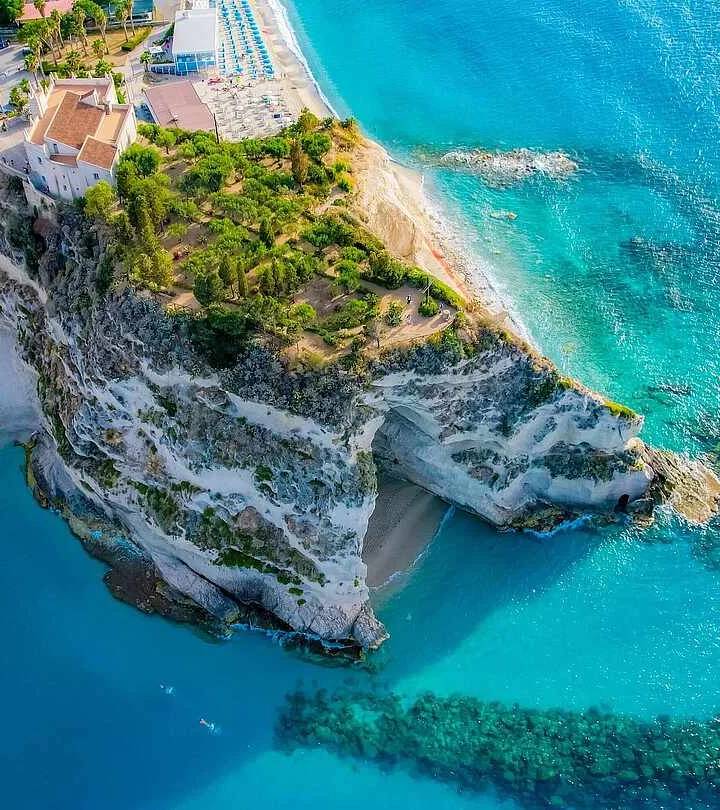
Region
Calabria